
Research
Original studies on synthetic samples, questionnaire design and what makes a number citable — with the raw rows behind every figure.
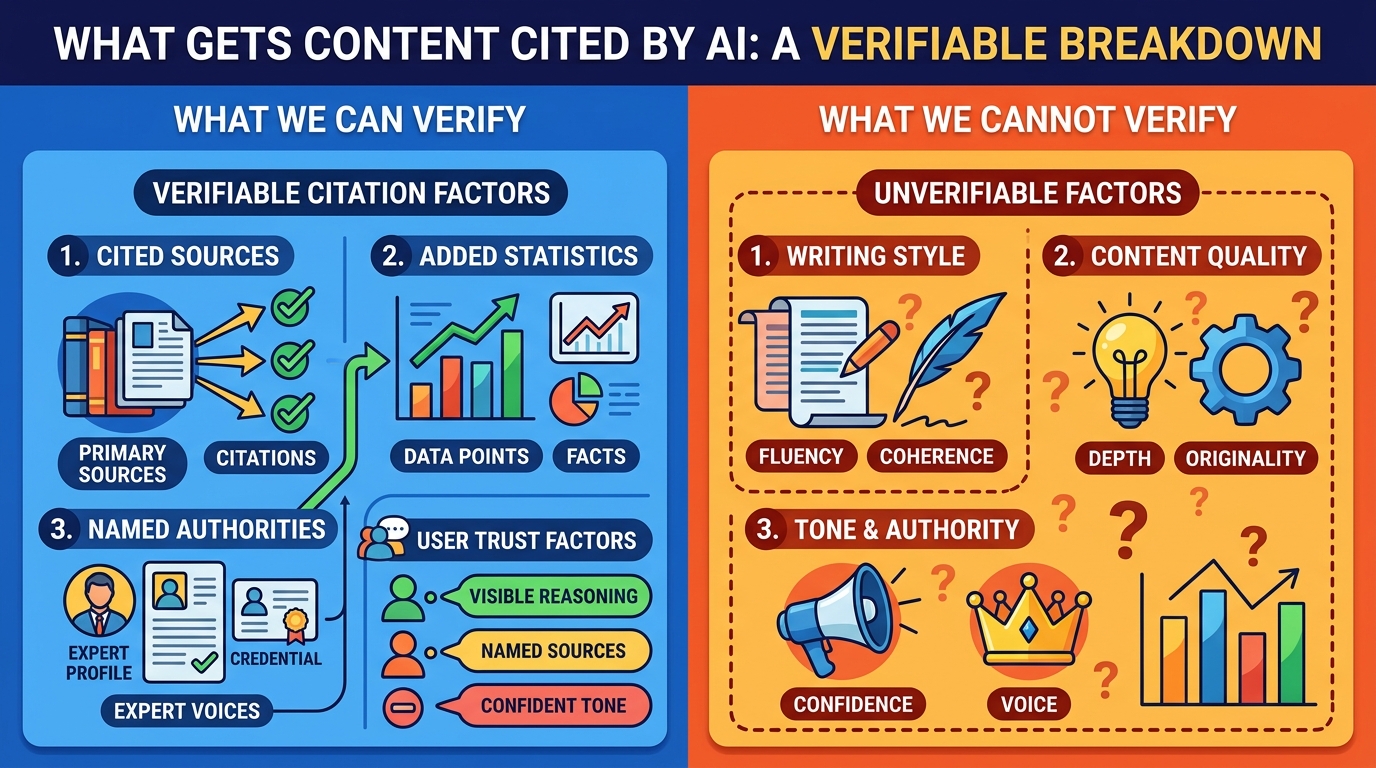
What Actually Gets Your Content Cited by AI, Split Into What We Can Verify and What We Cannot
Almost everything published about AI citations traces back to a tool vendor's dashboard. Two claims survive contact with a primary source: one academic benchmark, and one survey of 500 readers. Here is what they say, what follows from it, and the paragraph template that falls out of both.
11 min read
Read article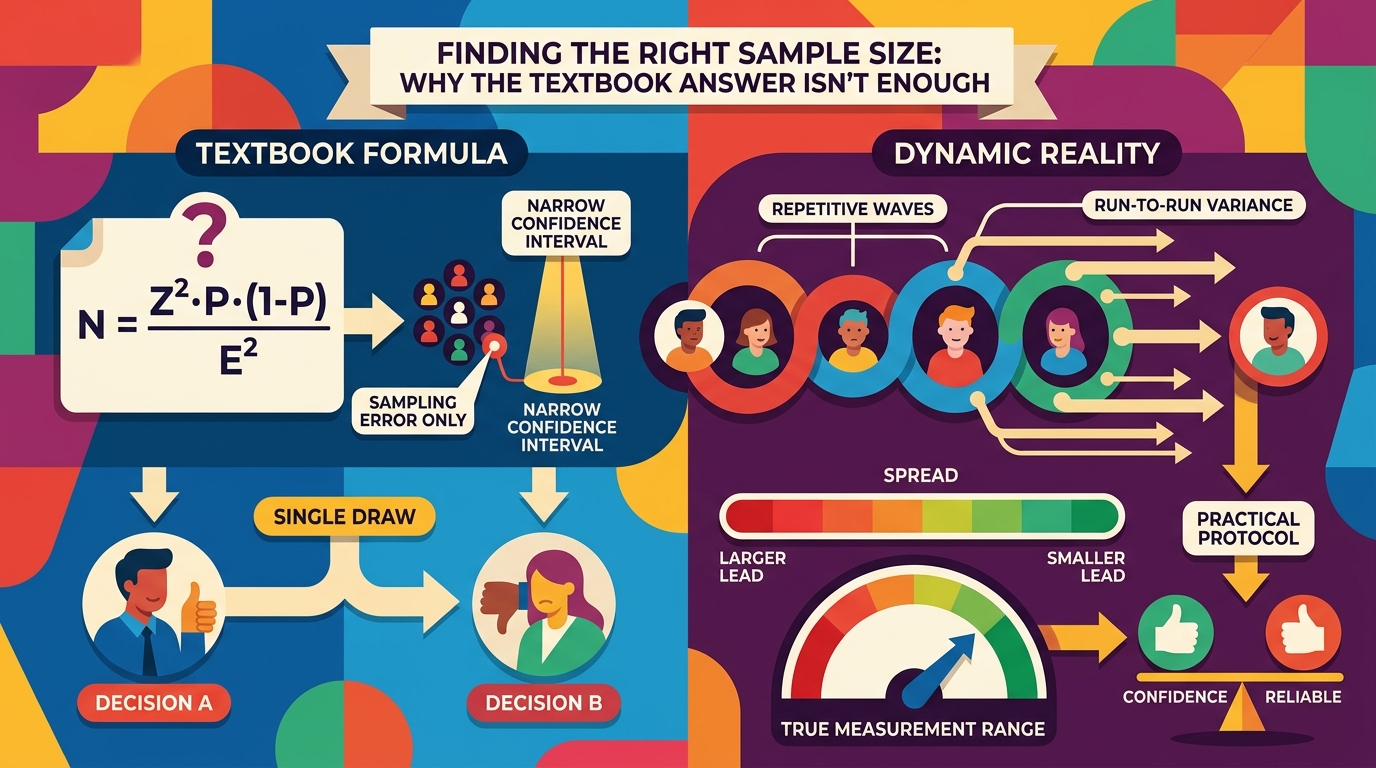
How Many Survey Respondents Do You Need? The Textbook Answer Is Right and It Is Not Enough
Every sample-size calculator gives you the same number for a 5% margin of error, and every one of them assumes your question means the same thing each time you ask it. We ran the same question at five sample sizes. The interval narrowed. The answer did not settle.
10 min read
Read article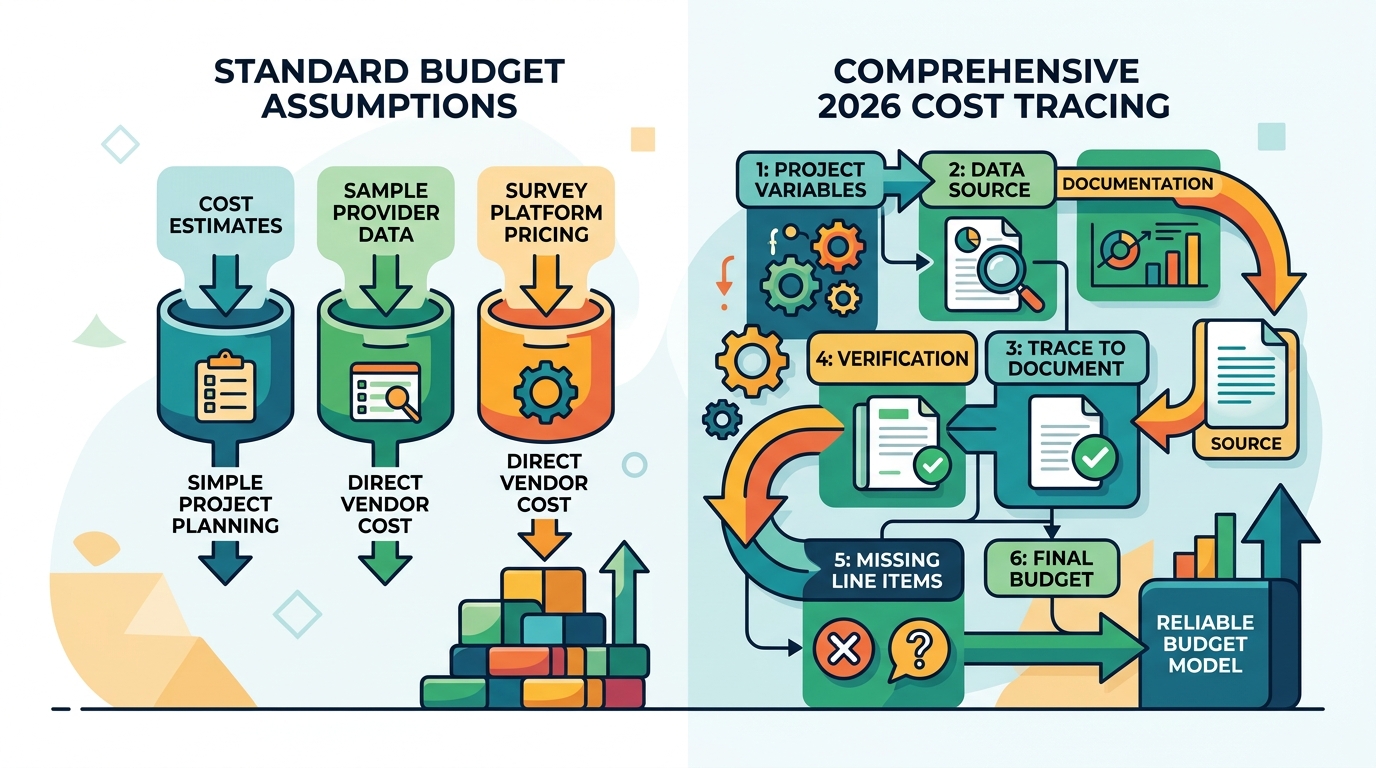
What a Survey Actually Costs in 2026, Traced to the Page Each Number Came From
Search for the cost of a survey and you will find "$2 to $15" and "$15 to $50" for the same study. Both are published. The disagreement is not noise — each figure answers a different question. Here is a sourced price list, plus the two cost lines nobody budgets for.
11 min read
Read article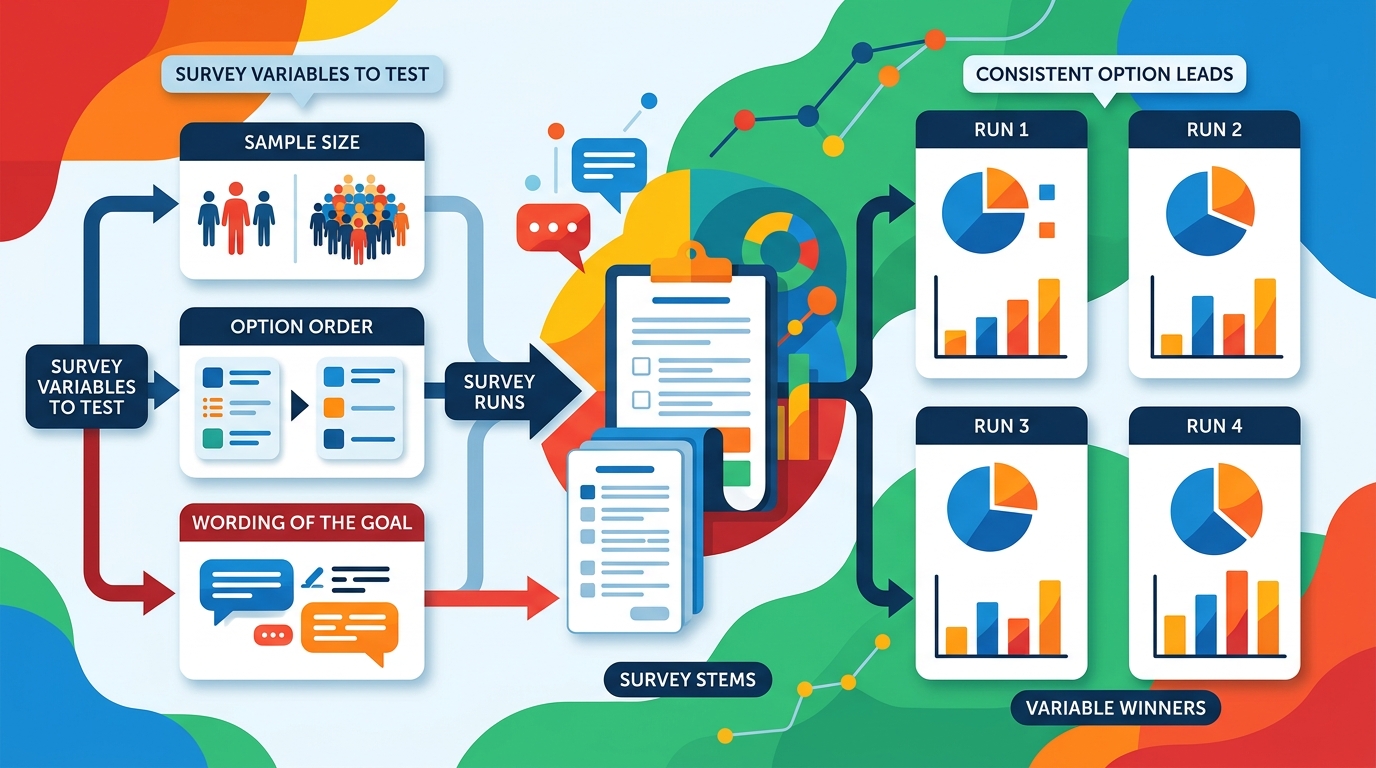
One Question, Eight Runs, Four Different Answers
We ran the same two-option question eight times on our own platform, varying one thing at a time. Option order did nothing. Sample size narrowed the interval around a moving target. What actually moved the answer was the sentence the platform writes when it turns your goal into a fielded question.
14 min read
Read article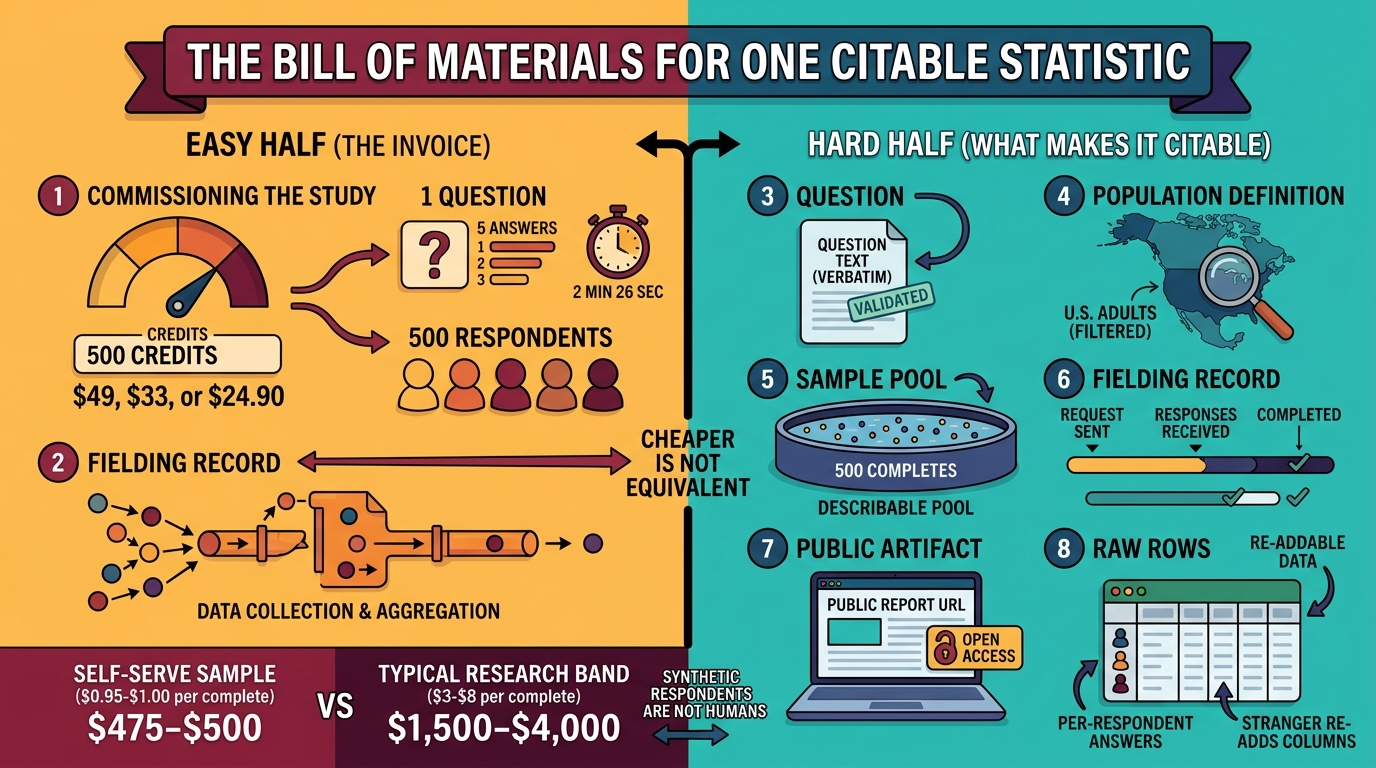
The Bill of Materials for One Citable Statistic
A number you can cite has parts, and they can be itemized: a question, a sample drawn from a documented pool, a fielding record, a public report, and raw rows anyone can re-add. Here is the invoice for one study that took 2 minutes 26 seconds.
13 min read
Read article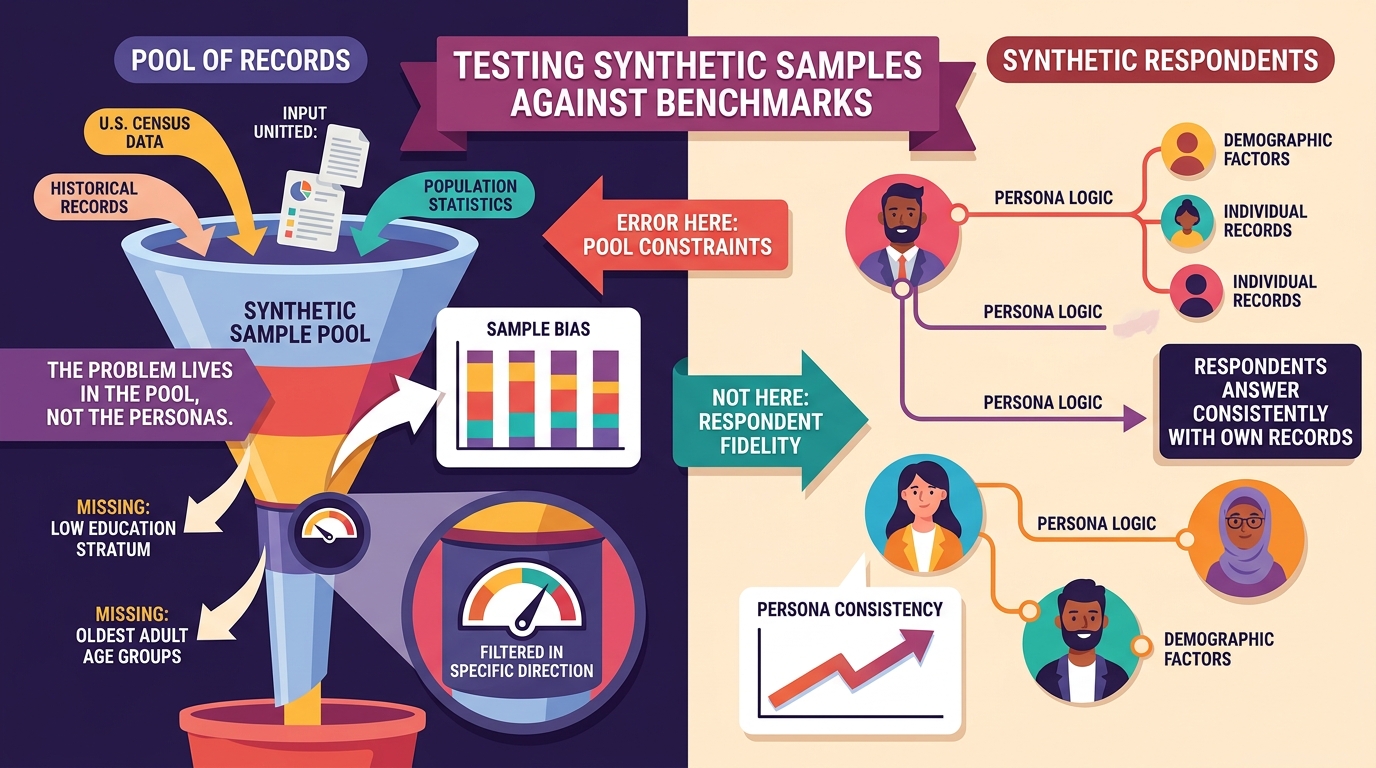
We Tested a Synthetic Sample Against Four Published Benchmarks. The Error Lives in the Pool, Not the Personas.
We asked a synthetic sample the same questions the US Census, the General Social Survey and the CDC ask. Two population groups are almost entirely absent from the records it draws from, while gender and region land within one point. The interesting part is where the mistake is not.
24 min read
Read article